Statistics show one in three people over 65 years experience a fall in any year. The good news is there are some simple things you can do to build strength and reduce your risk of falling.
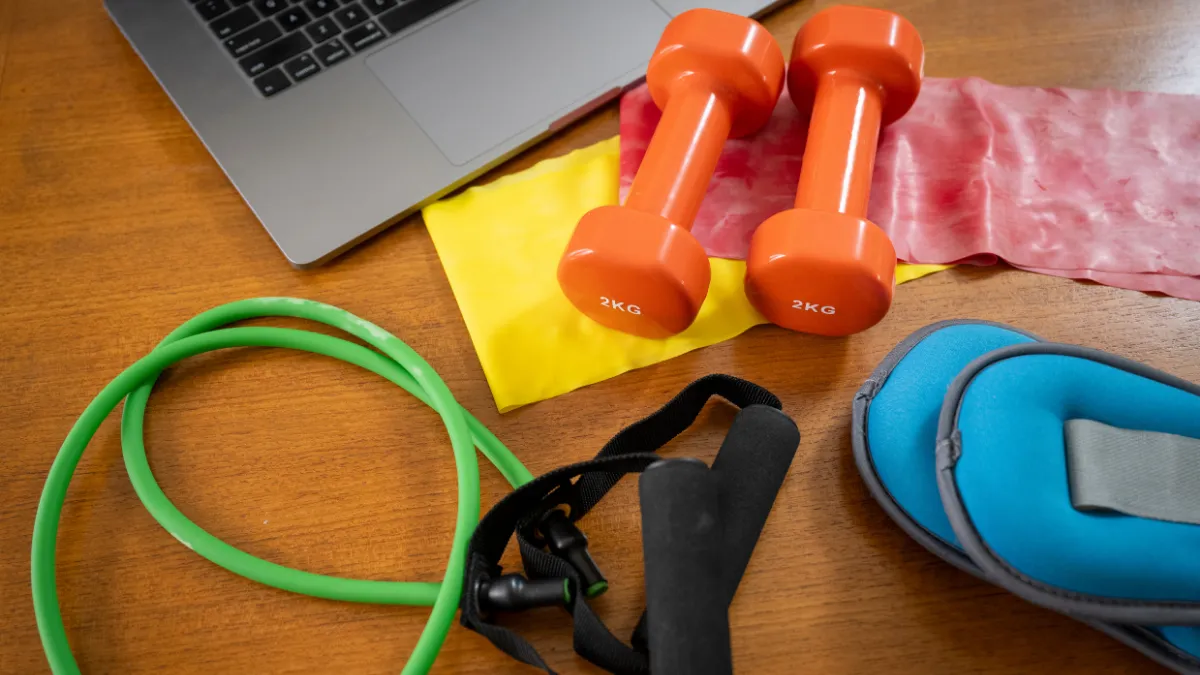
Nothing beats exercise! Just walking a minimum of 30 minutes a day improves balance and body strength. Exercise is also great for your heart, head and overall wellbeing, reducing risk factors for falls.
Examples of exercise include a daily walk, a spot of dancing, swimming, a gym workout, or other physical activity.
Exercise can be done just about anywhere; the kitchen, laundry, lounge, garden or the great outdoors.
Always consult with your GP or healthcare team before starting a new exercise program.
Invite company. A neighbor, family member or friend can help you stay motivated. Plus, you get regular quality time to catch up.
Here are some more easy tips and swaps to help prevent falls.
Eat well. Nutrition plays such an important part in every aspect of our lives - so it shouldn’t surprise you to know it may also help to prevent falls and reduce the severity of injury should the unthinkable happen.
Having a healthy diet and staying hydrated supports muscle strength. It also helps prevent dizziness and reduces postural hypotension; low blood pressure that happens when you stand up from a sitting or lying down position.
Talk to your GP, dietitian and health care team if you are experiencing a lack of appetite, or loss of taste and/or smell, as this can be related to medications.
If it’s difficult for you to get to the supermarket or you need some support in the kitchen, there may be help available through the use of Home Care services.
Avoid trip hazards. Look around the home, garden and other regularly visited places to identify and remove clutter, slip and trip hazards. Seek expert advice from an Occupational Therapist if you have concerns about your home safety.
Light the way. Clearly lit and clear thoroughfares to help you get around safely. So check the lighting sources between the car and the house, in passageways, bathroom/toilet areas, and the patio and garden.
Footwear. Now that you’ve looked around, it’s time to look down and check your shoes!
Footwear needs to be in good condition, fit properly and support the feet. Shoe fit, tread and weight can all help with balance, posture and stability. You can talk to a podiatrist for professional advice.
Eyes and ears. Regular vision and hearing tests can help prevent falls. Ensure you wear your prescription glasses and take sunglasses off indoors. Be mindful that bifocal lenses can make steps and curbs harder to navigate safely.
Other important things to consider include:
- Getting enough sleep
- Learning about any possible side effects from medicines that may impact your balance
- Using mobility aids and assistive devices designed to support mobility.
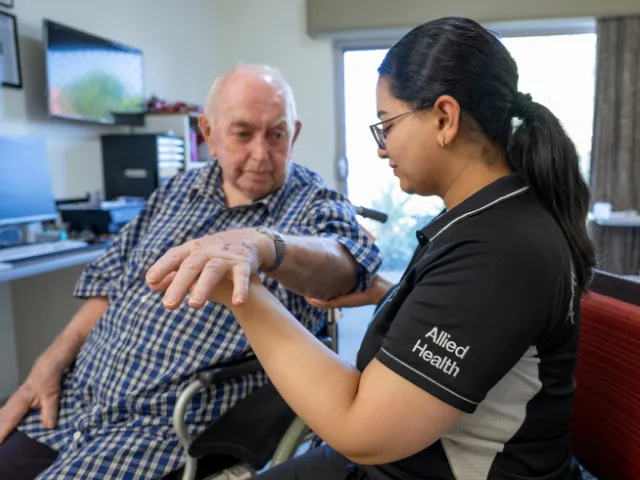
Southern Cross Care offers a range of allied health services including physiotherapy, podiatry, group fitness, strength and rehabilitation classes and social activities. For an assessment of the services that may help you to reach your health goals, call 1800 852 772.