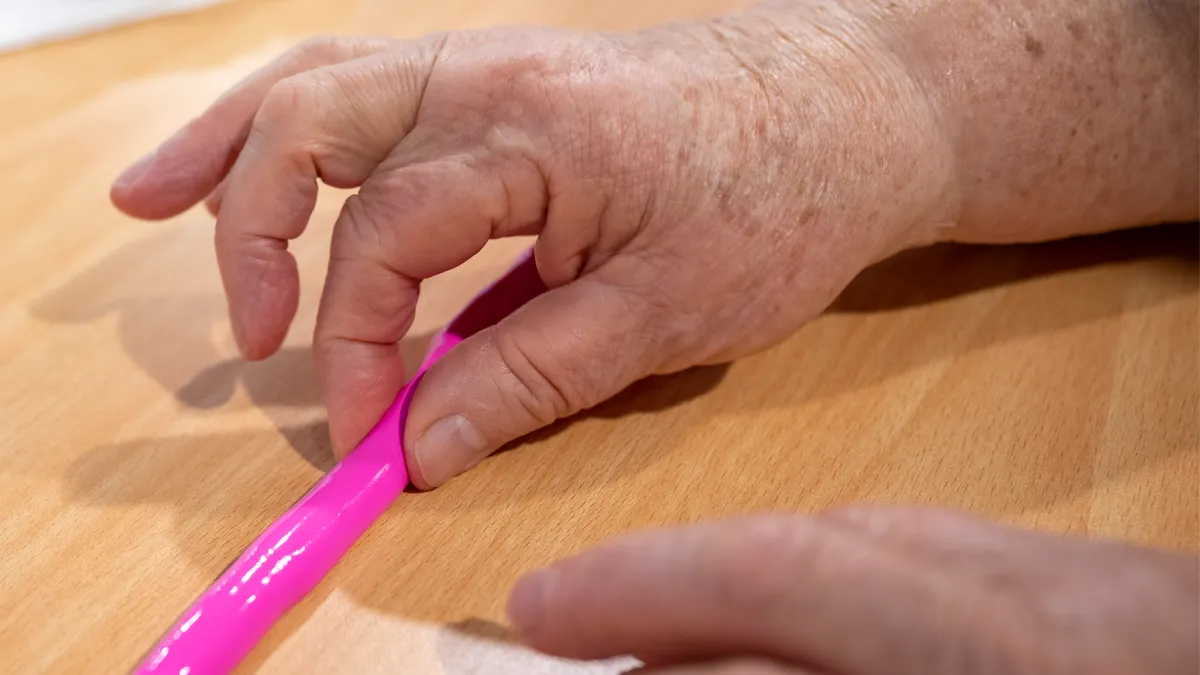
Squeeze, knead and stretch your way to improved finger and hand strength with therapy putty.
What is therapy putty?
‘Therapy putty’ commonly referred to as ‘theraputty’ is predominantly used by occupational therapists and physiotherapists, to assist with rehabilitation, or to increase overall hand function. It can be beneficial for those who have undergone hand surgery, experienced hand injuries, or have conditions such as arthritis or carpal tunnel syndrome, if the therapy meets their assessed goals and needs. The putty can be squeezed, pinched, rolled, and stretched to target specific muscle groups in the hand.
How does therapy putty work?
Therapy putty works by providing resistance for the muscles in the hands and fingers. The exercises and movements involved can increase flexibility, range of motion and dexterity, and strengthen the surrounding muscles. The putty also comes in varying strengths, from extra soft to extra firm, so you are able to tailor your regime to suit your needs. You may be able to progressively work up to a firmer putty over time to add further resistance and build more strength.
Key benefits of using therapy putty may include:
- Increased grip strength
Grip strength is necessary for accomplishing many everyday tasks independently. This includes turning door knobs, opening jars, lifting pans off the stove, holding a full mug of morning coffee, carrying a laundry basket full of clothes, getting dressed - all tasks that require grip strength to perform. Having a condition or disability that reduces your hand strength can make these daily activities a struggle. Using putty therapeutically may help you strengthen your hands to continue doing everyday tasks.
- Increased joint mobility and decreased pain
Synovial fluid, or joint fluid, plays a vital role in facilitating smooth joint movement. The space between joints, known as the synovial cavity, is filled with synovial fluid. Healthy joints contain synovial fluid with high molecular weight hyaluronic acid that helps provide a lubricating effect to the joints; allowing bones to move without friction. With age, the size of the hyaluronic acid molecules in our joints decreases, inhibiting its ability to work as effectively to prevent cartilage damage from friction. This leads to joint pain, inflammation, and stiffness. An Occupational Therapist or Physiotherapist may recommend exercising your hands with therapy putty to help maintain joint lubrication and support general hand mobility.
How can we help?
Our Health & Fitness centres offer Hand Therapy classes, which incorporate therapy putty exercises and other hand-strengthening and pain relief strategies for people who are assessed as being able to benefit from Hand Therapy.
Please note that individuals results may vary and this information is general in nature.
Eight exercises you can try at home
Before starting these exercises, especially if you have a diagnosed condition like arthritis or carpal tunnel, please consult with an Occupational Therapist or Physiotherapist to ensure they are appropriate for you. Remember to perform the exercises on both hands and use a putty strength that is suitable for you!
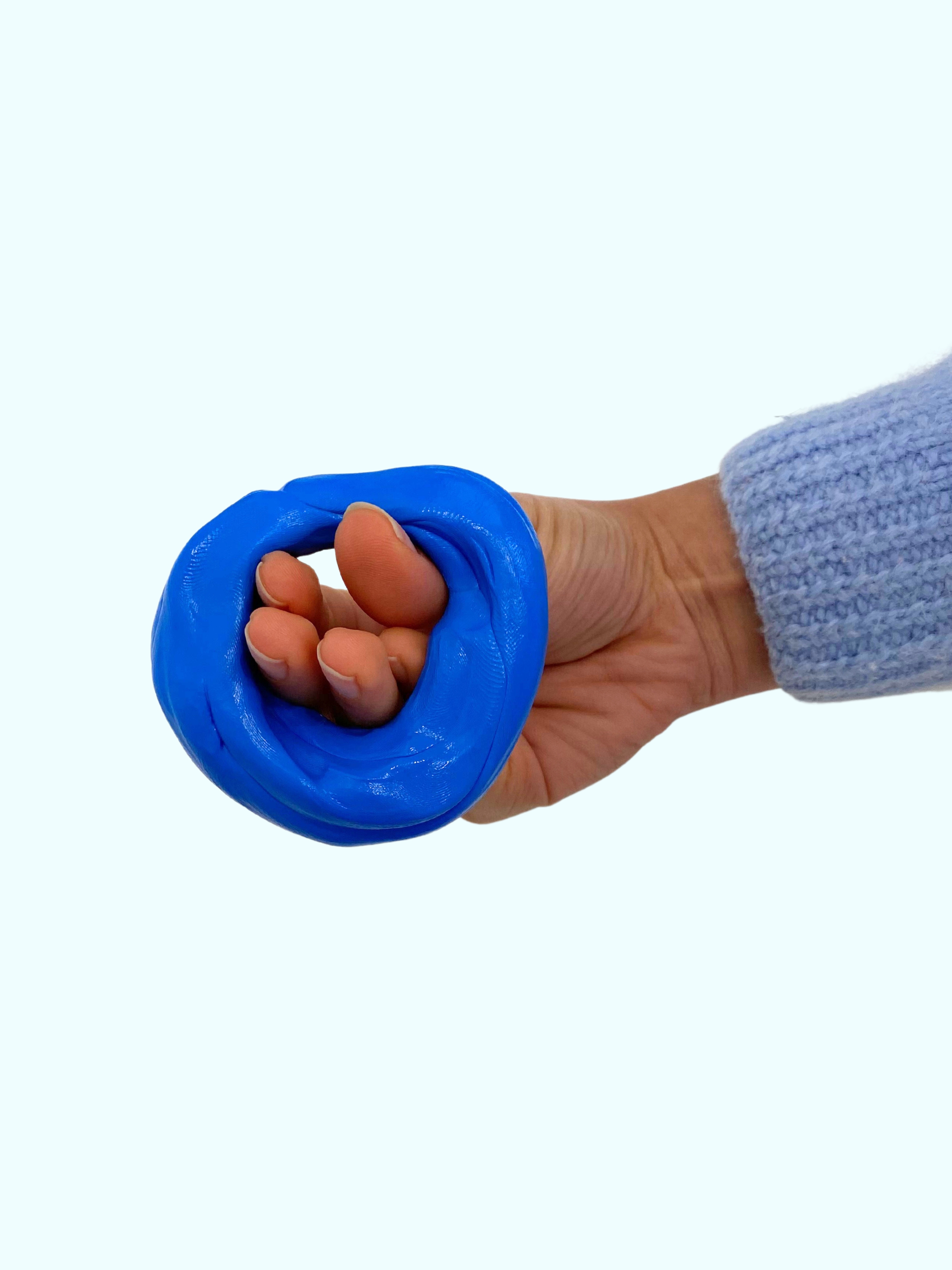
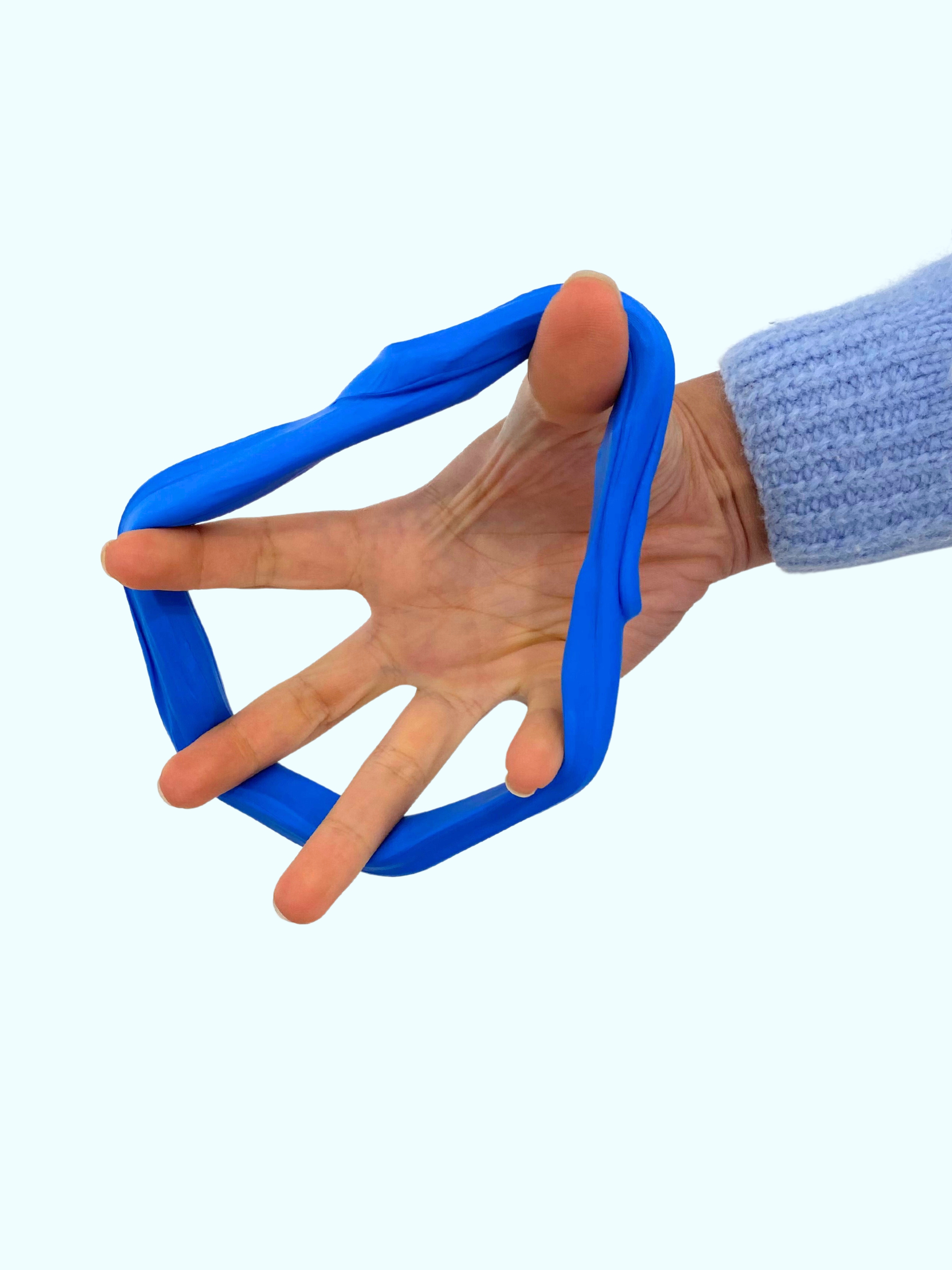
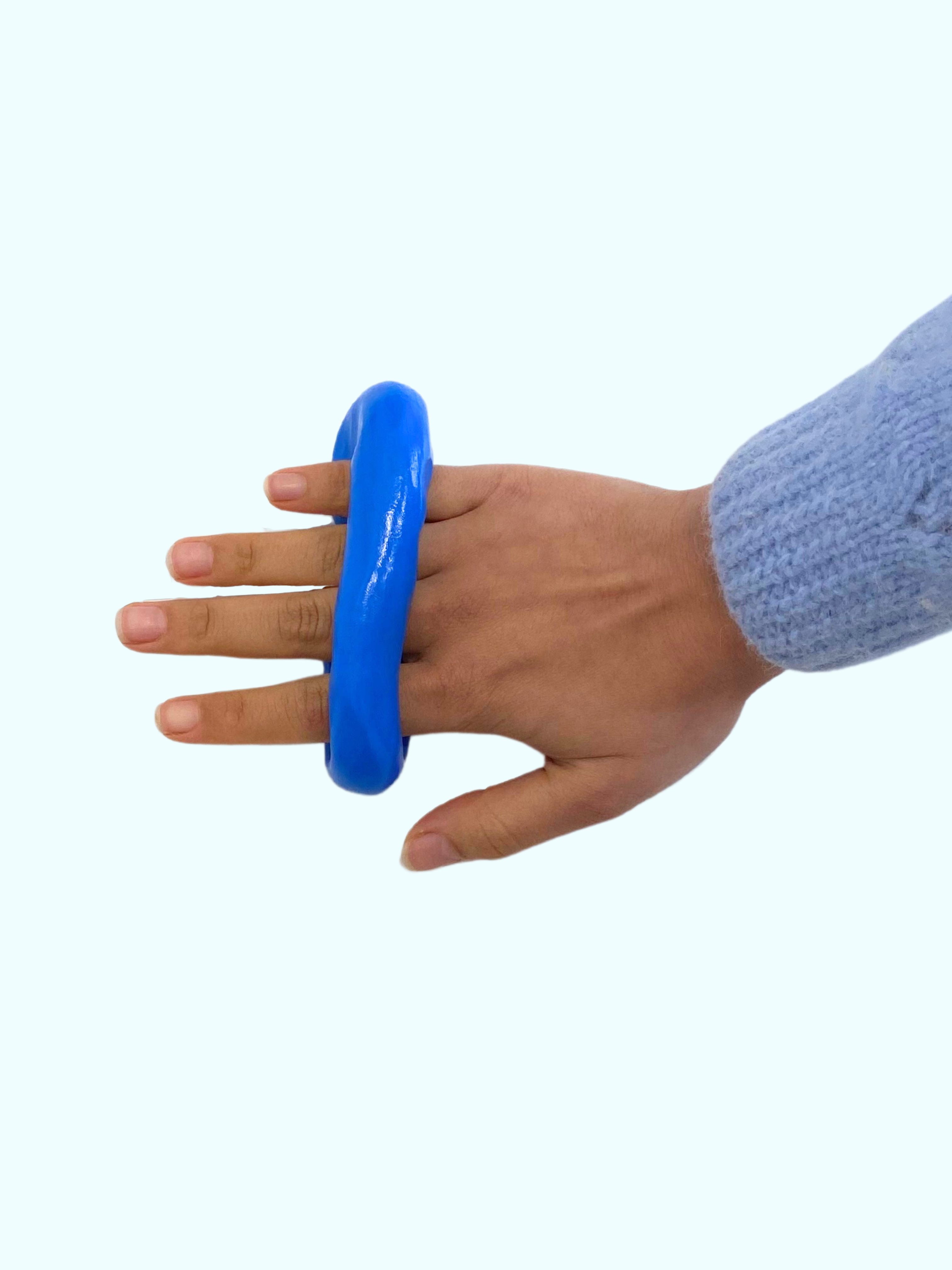
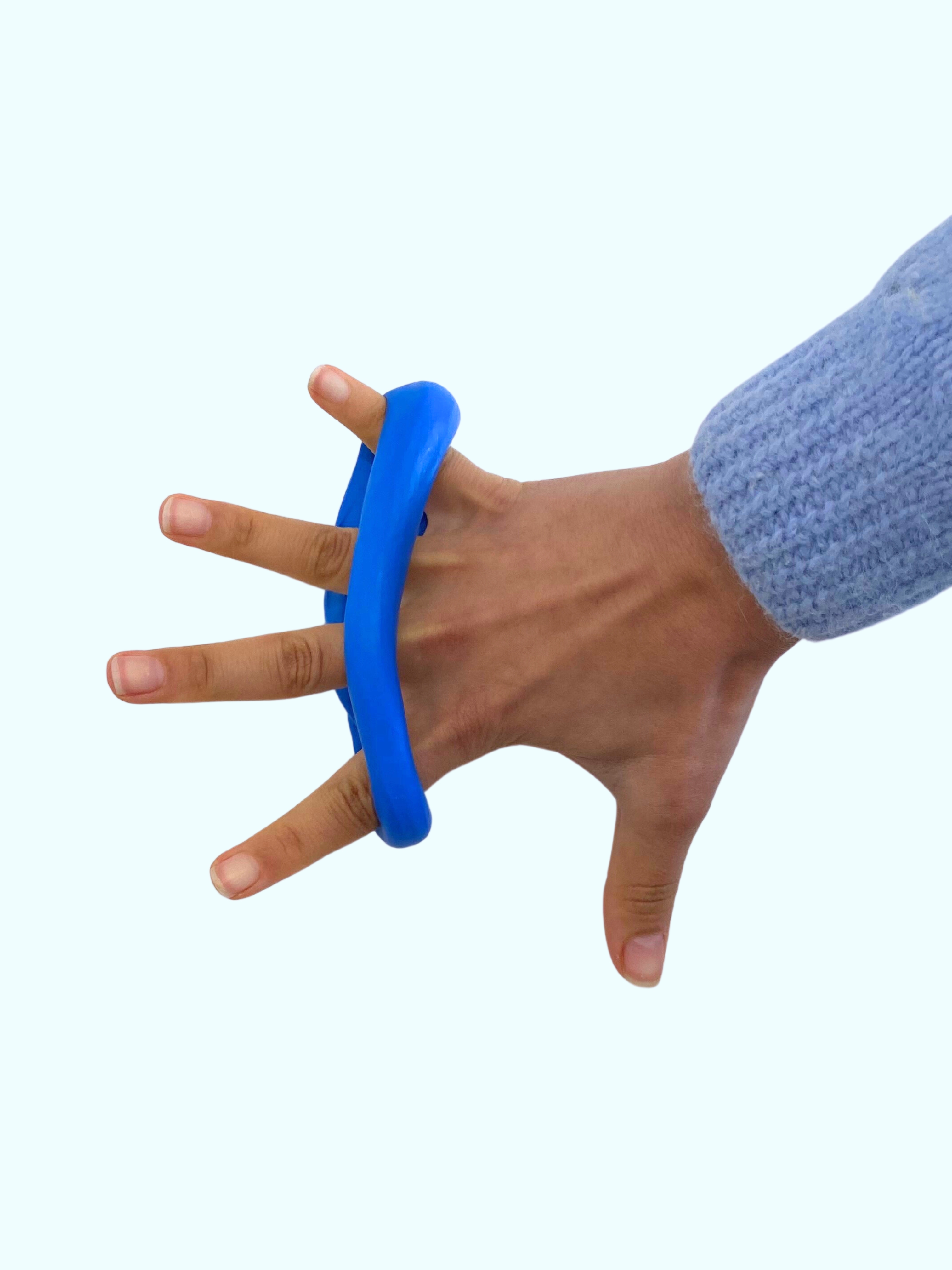
Doughnut stretchConnect the ends together to form a doughnut shape. Place your fingers and thumb in the hole and stretch fingers outwards against the putty.
|
|
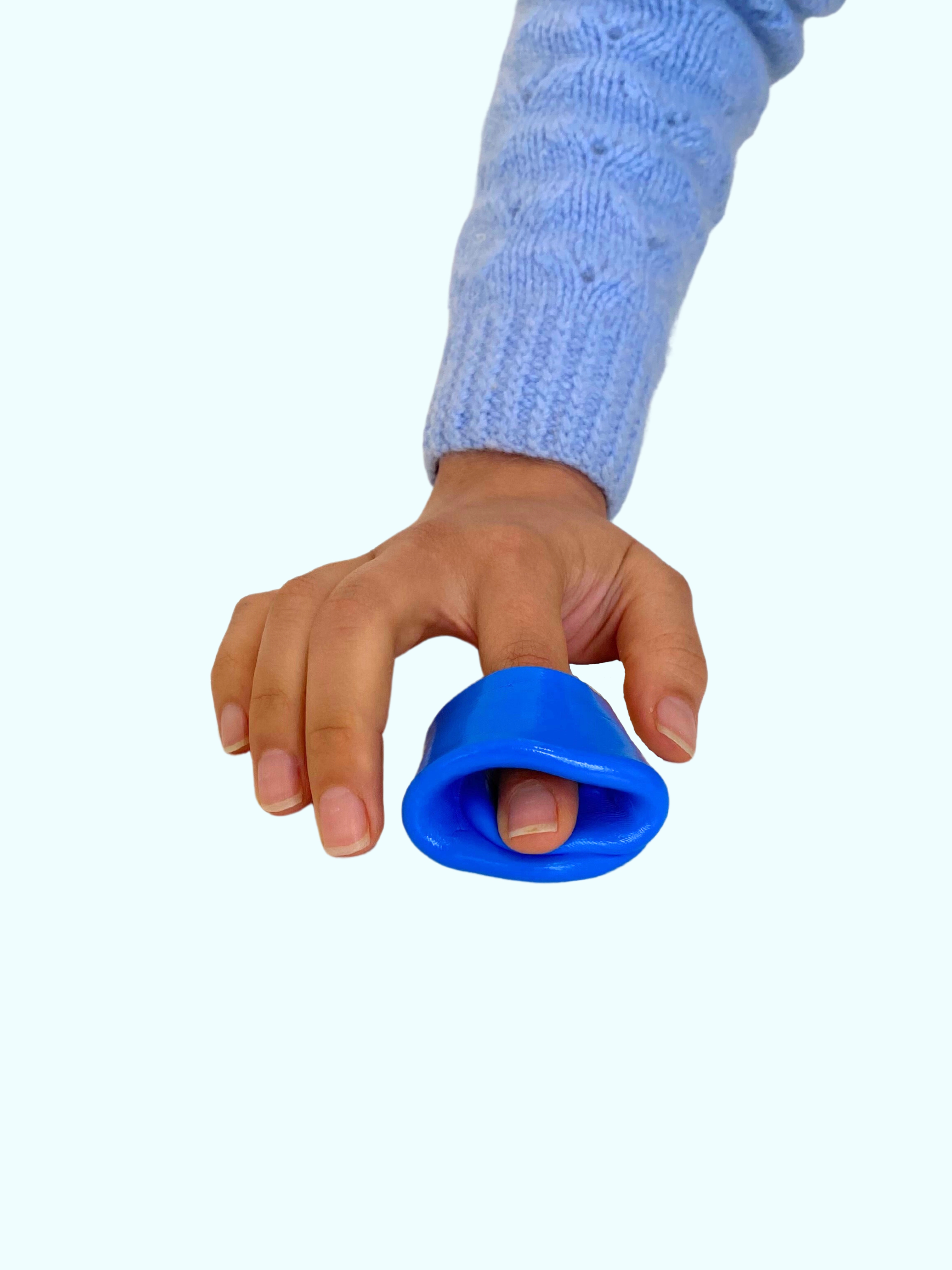
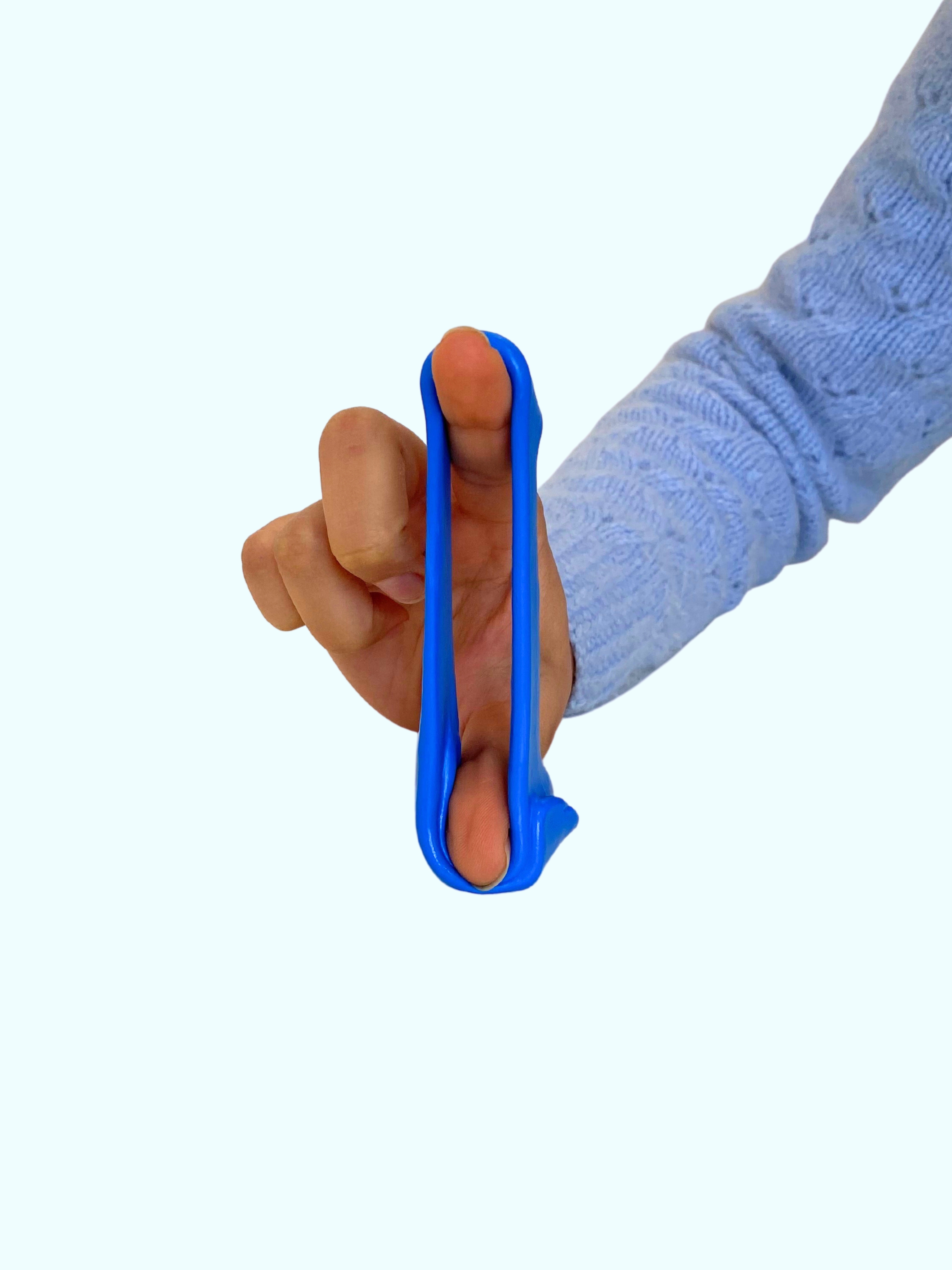
Mini Doughnut stretchForm a smaller doughnut that fits your index finger and thumb at the same time. With your finger and thumb inside, stretch the finger away from the thumb. Your thumb can be stabilised against a table top. Repeat with the thumb and the next finger until all fingers have been used.
|
|
Finger stretch |
|
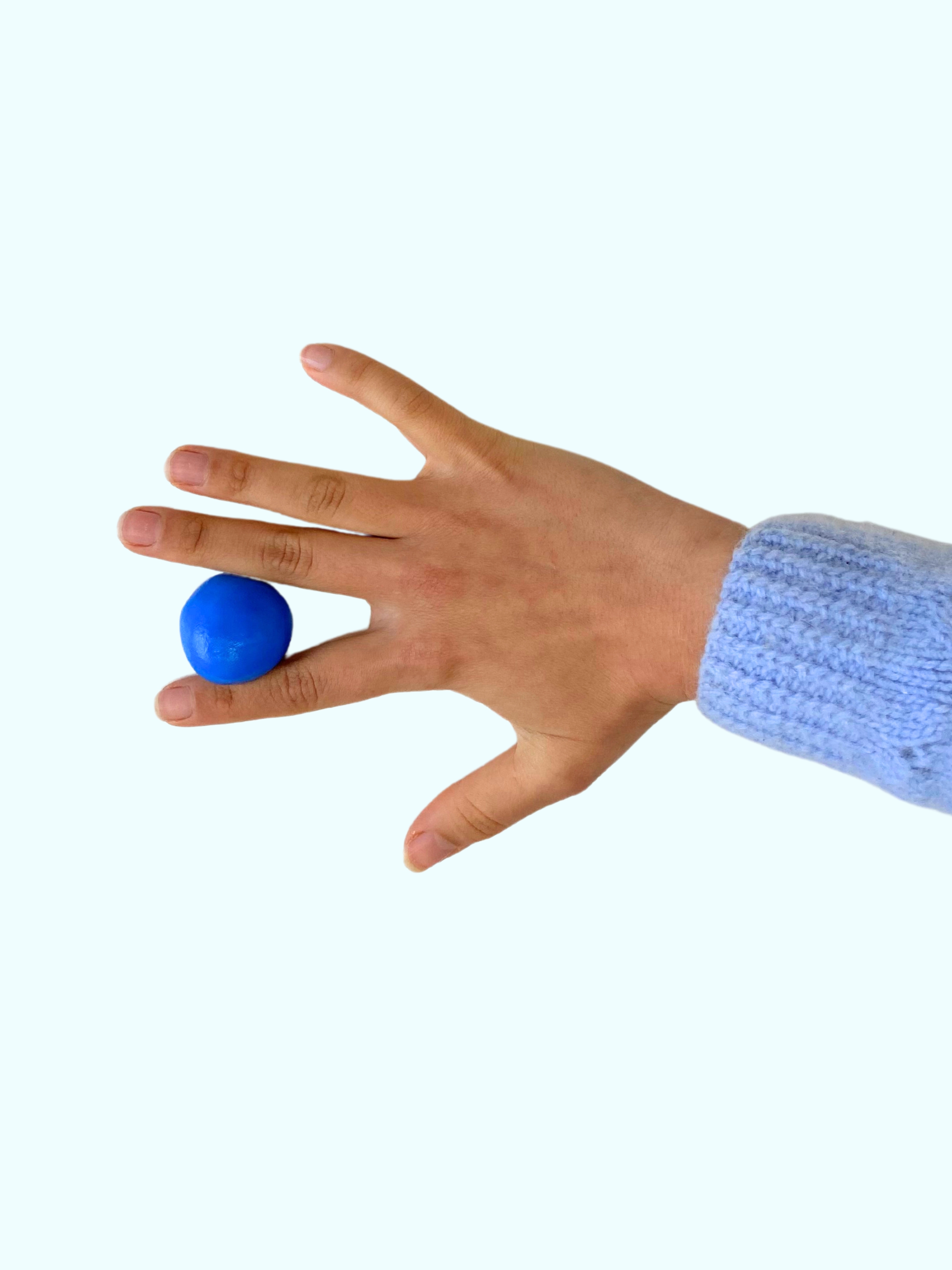
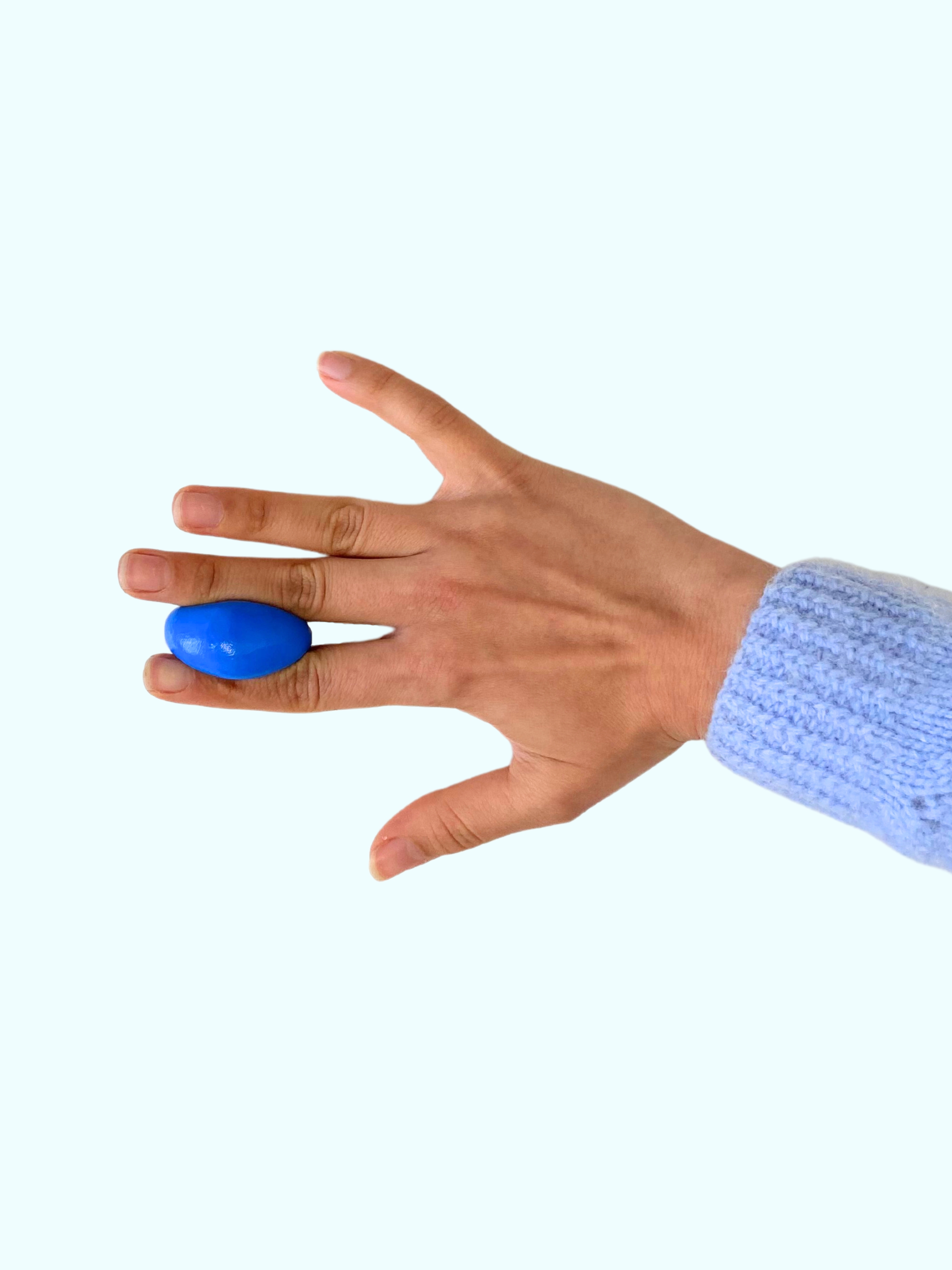
Finger scissorsRoll your putty into a ball. Place it between your index and middle fingers and squeeze until fingers meet. Repeat with all fingers.
|
|
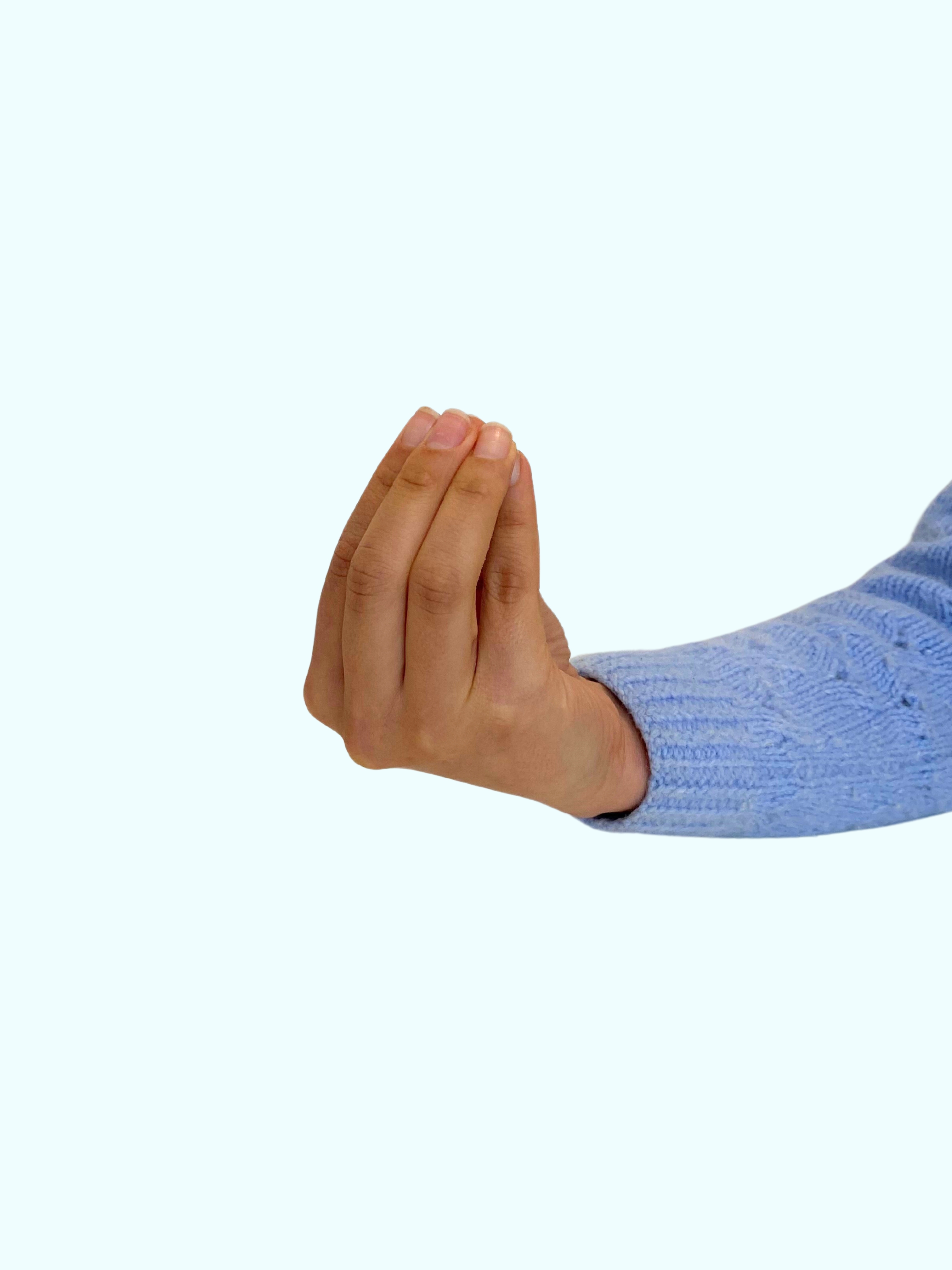
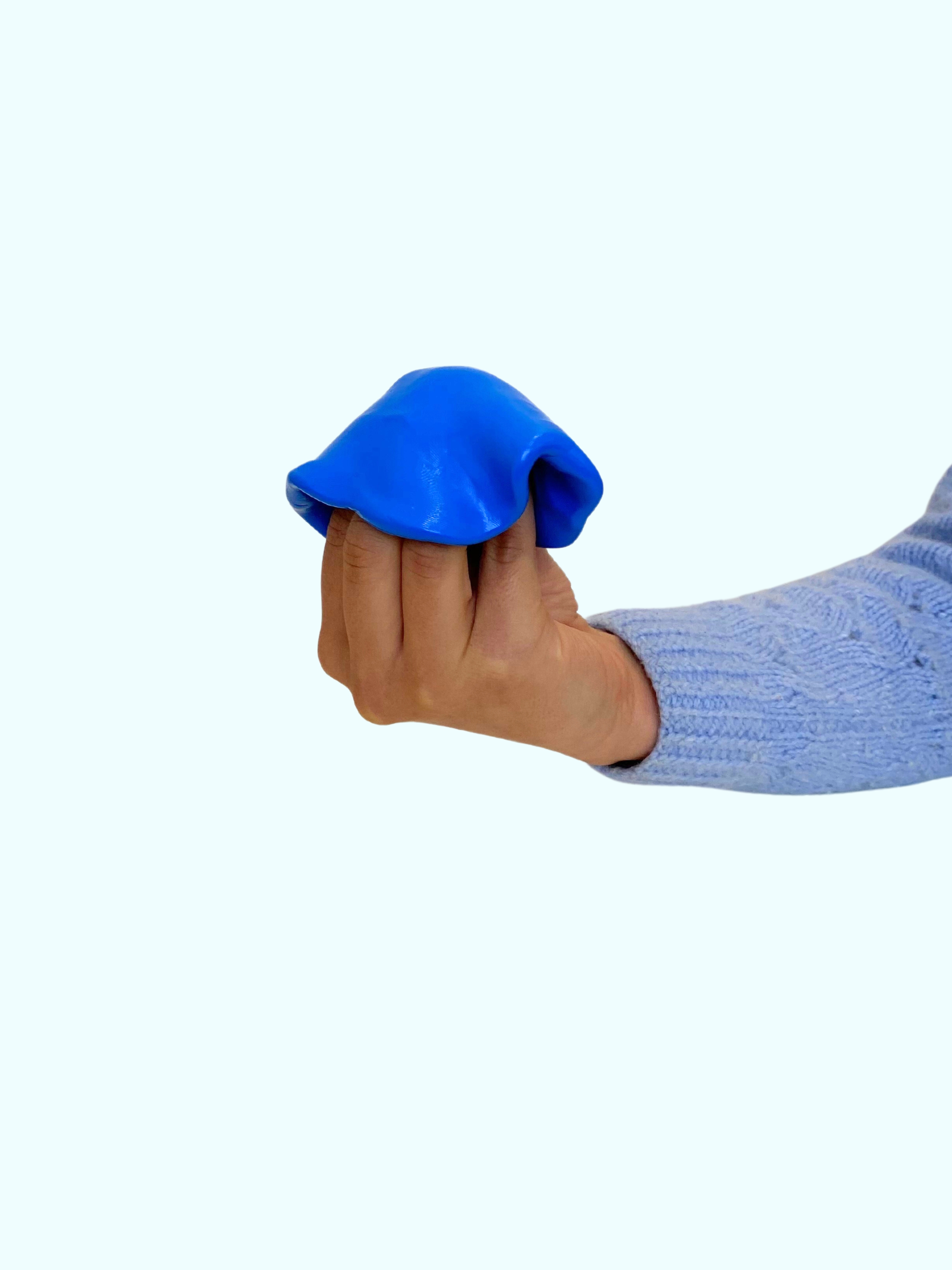
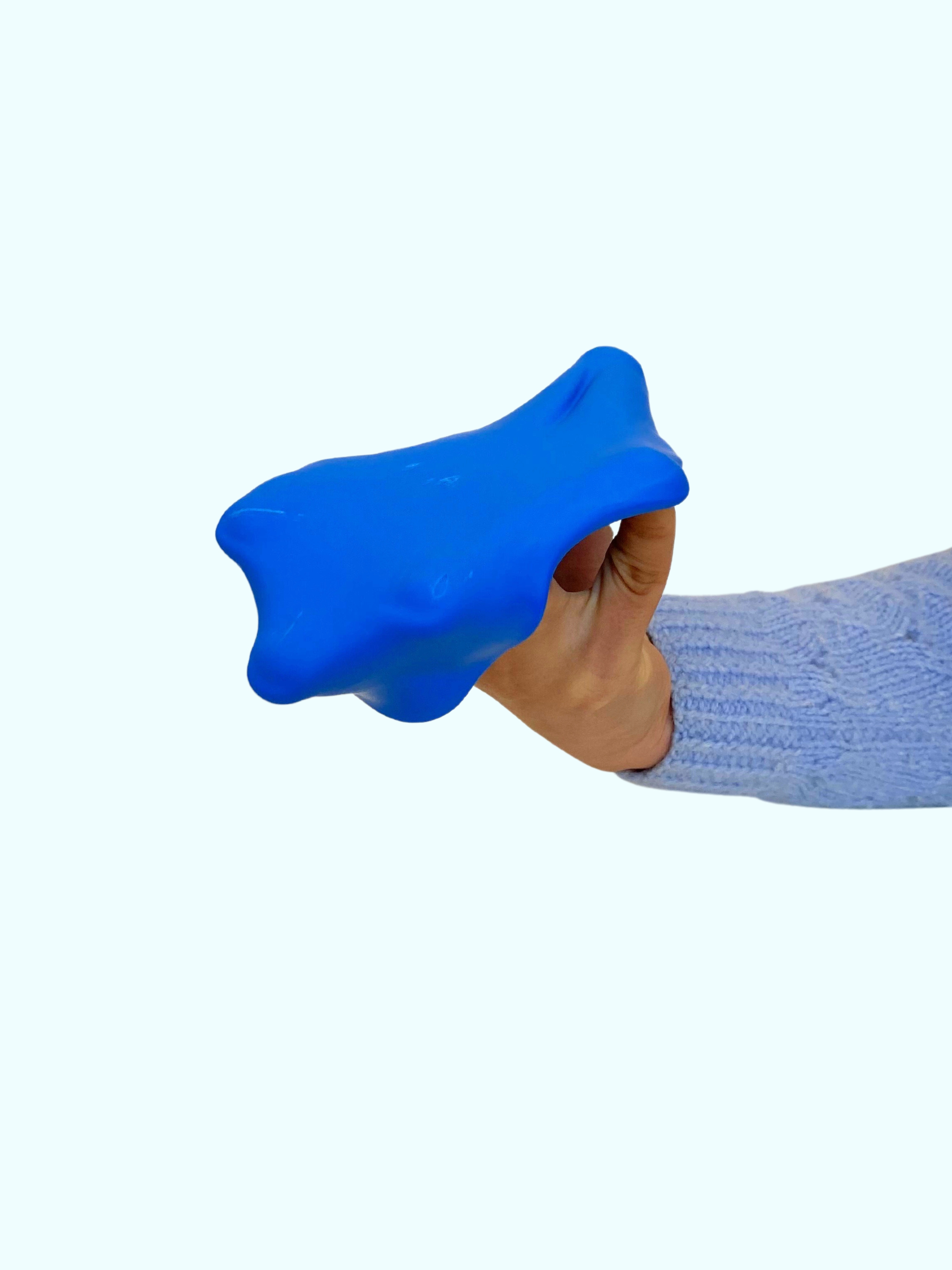
Finger spread |
|
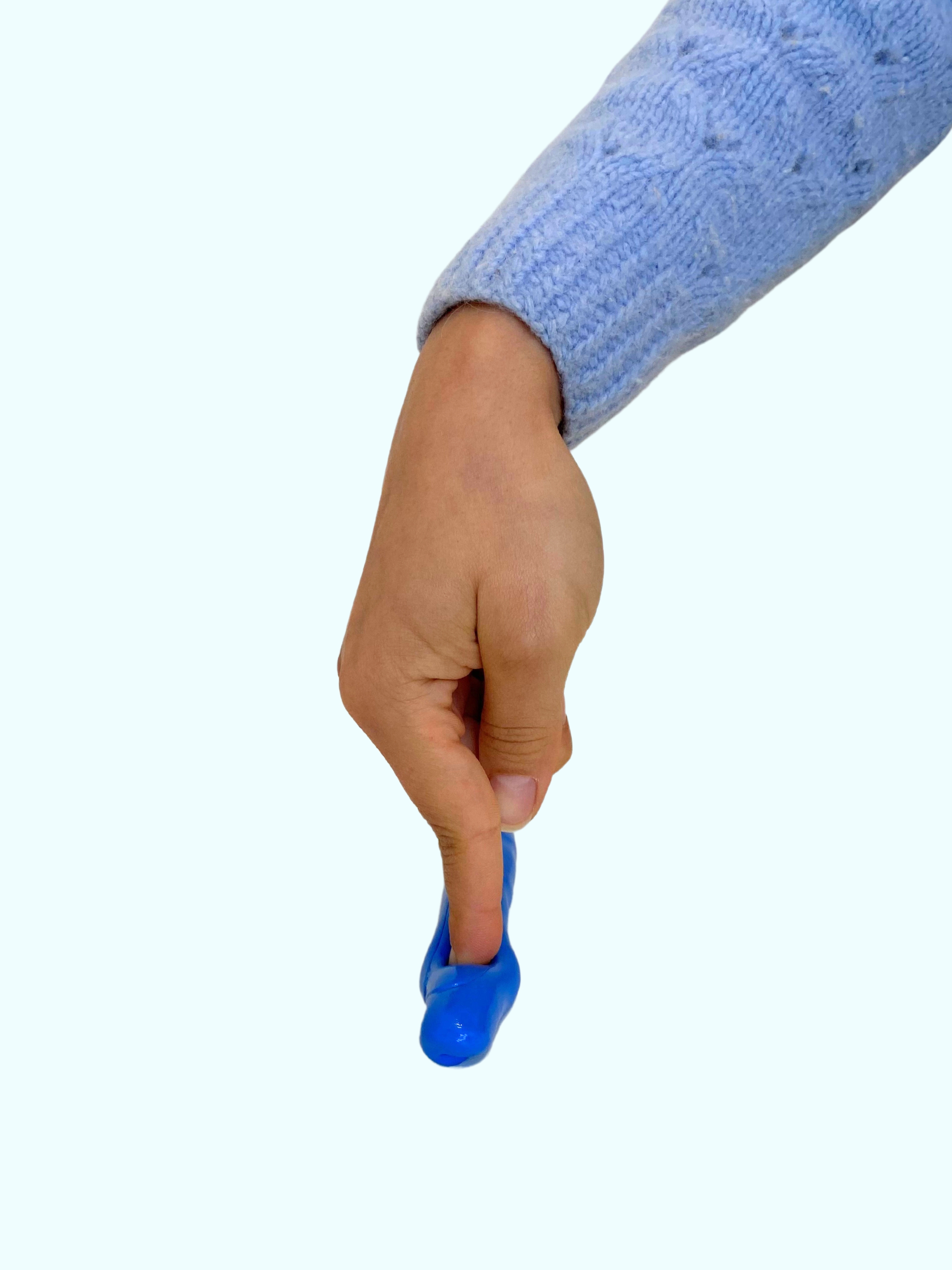
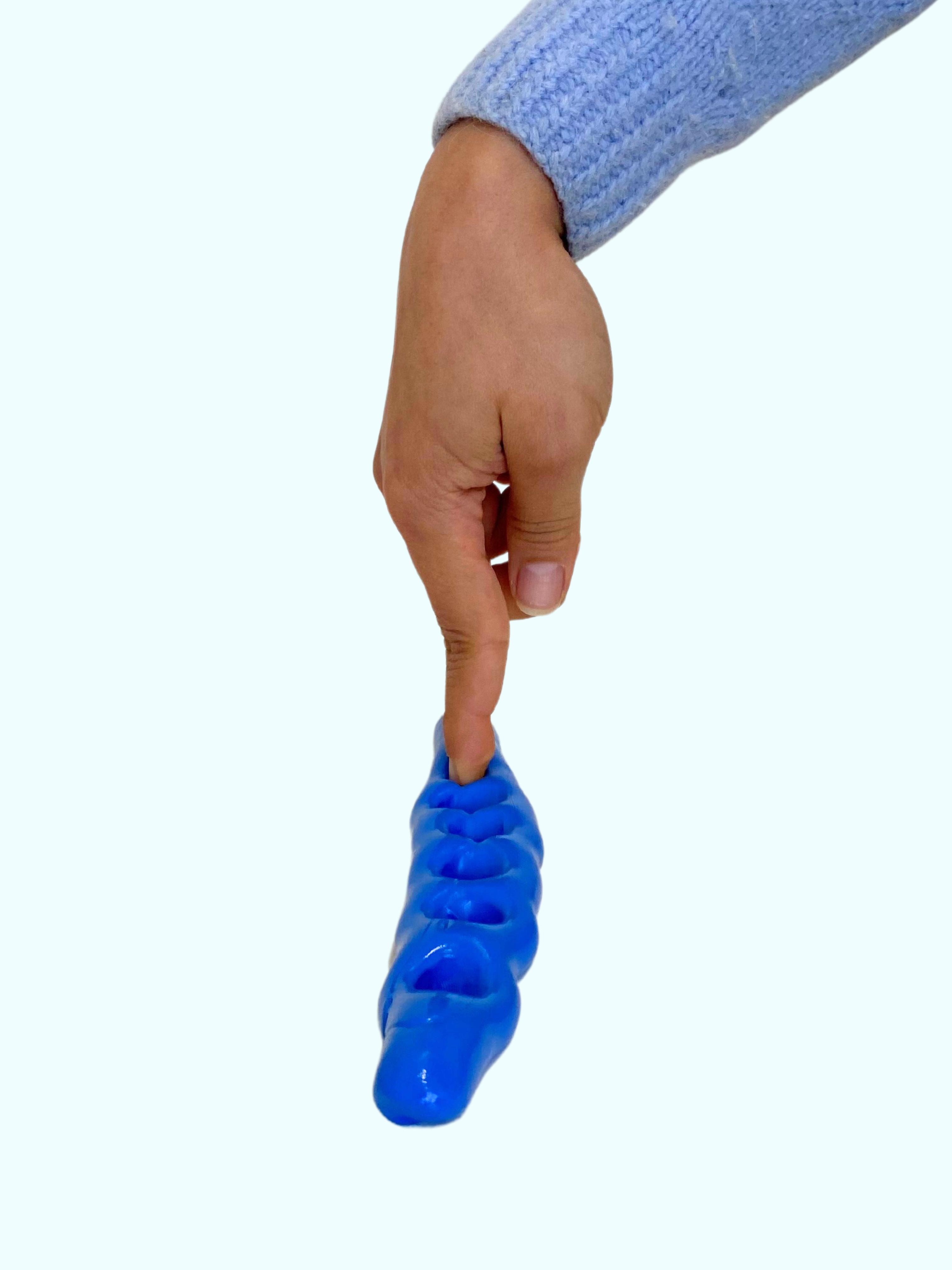
Finger pressRoll your putty into a sausage shape. Push your index finger into the putty repeatedly along the entire length of the sausage. Roll out a new sausage and repeat instructions until all fingers have been pushed into the putty.
|
|
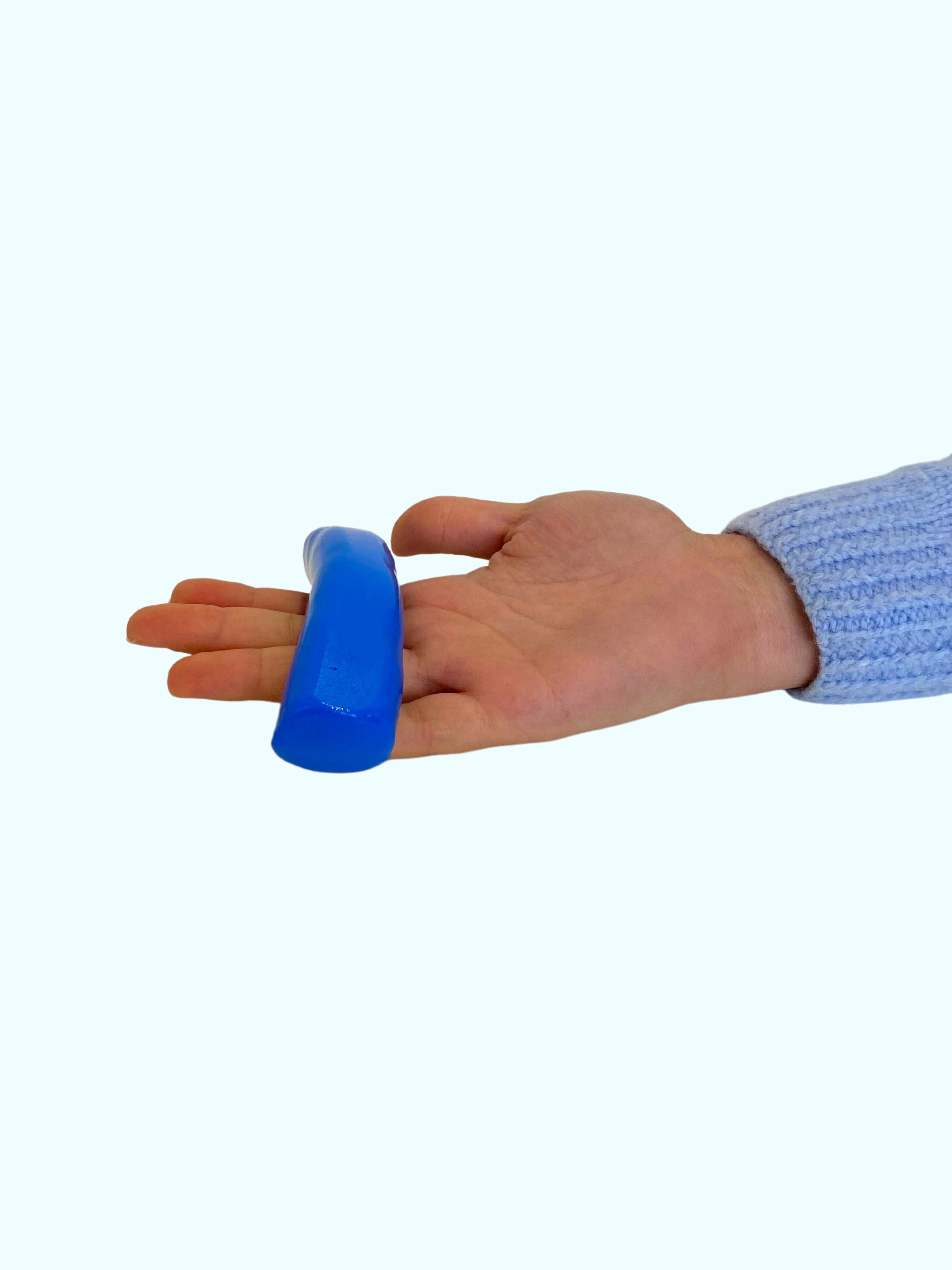
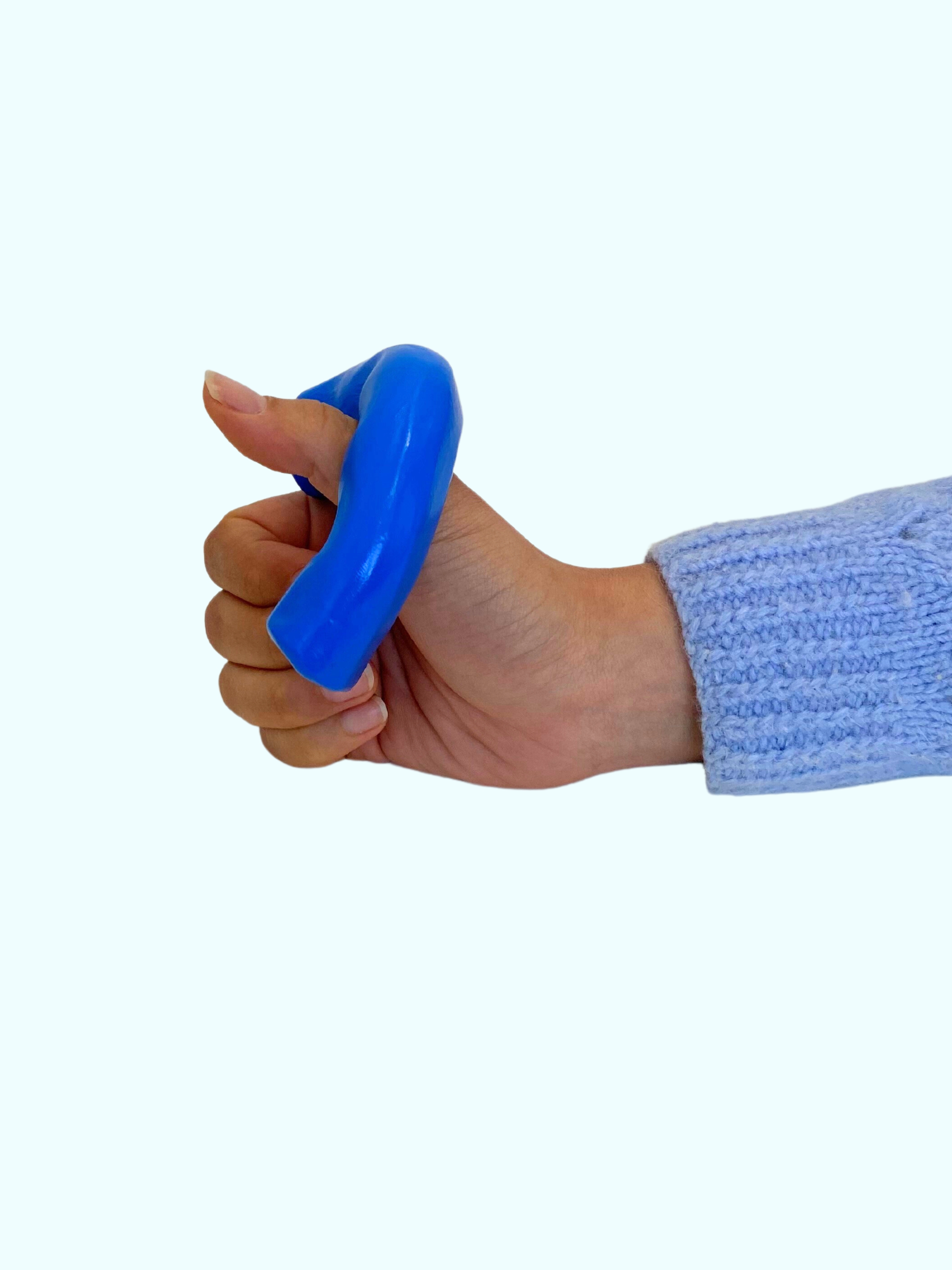
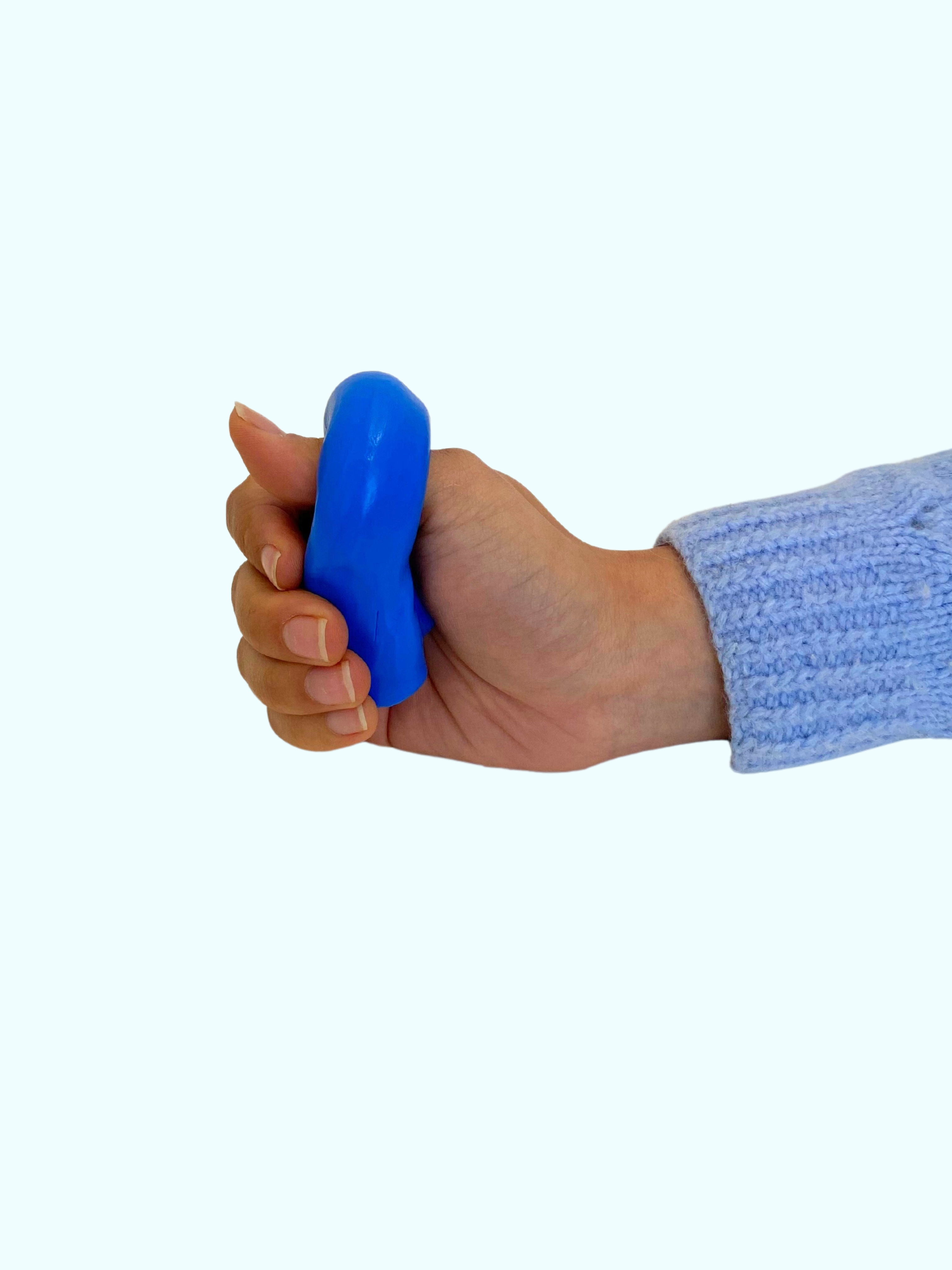
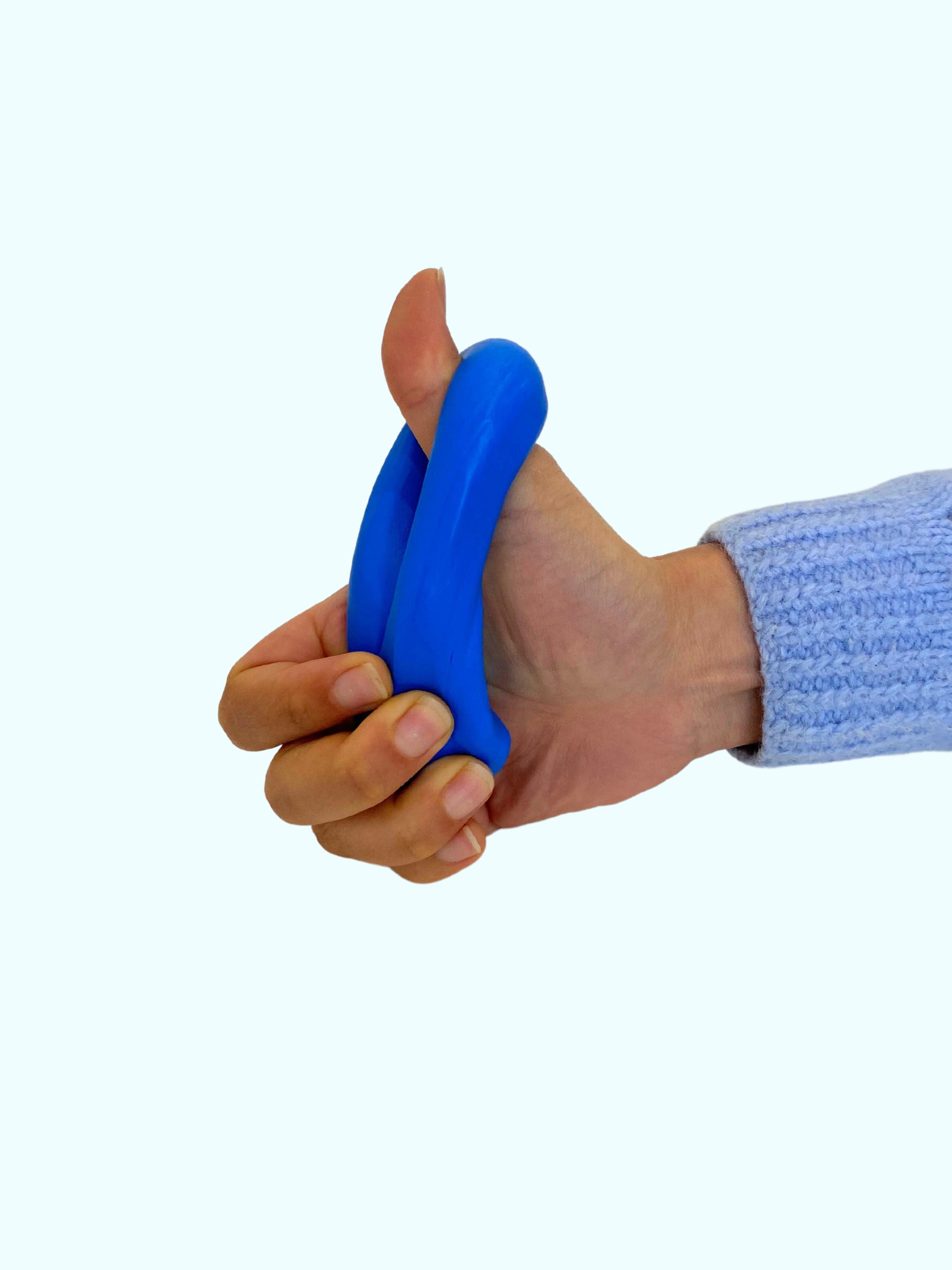
Thumb stretchWrap the putty over the tip of your thumb while it is bent toward the palm of your hand. Hold the loose ends down and extend the thumb to an open position and stretch it back as much as you can. You can control the degree of resistance by the thickness of the putty held over the thumb tip.
|
|
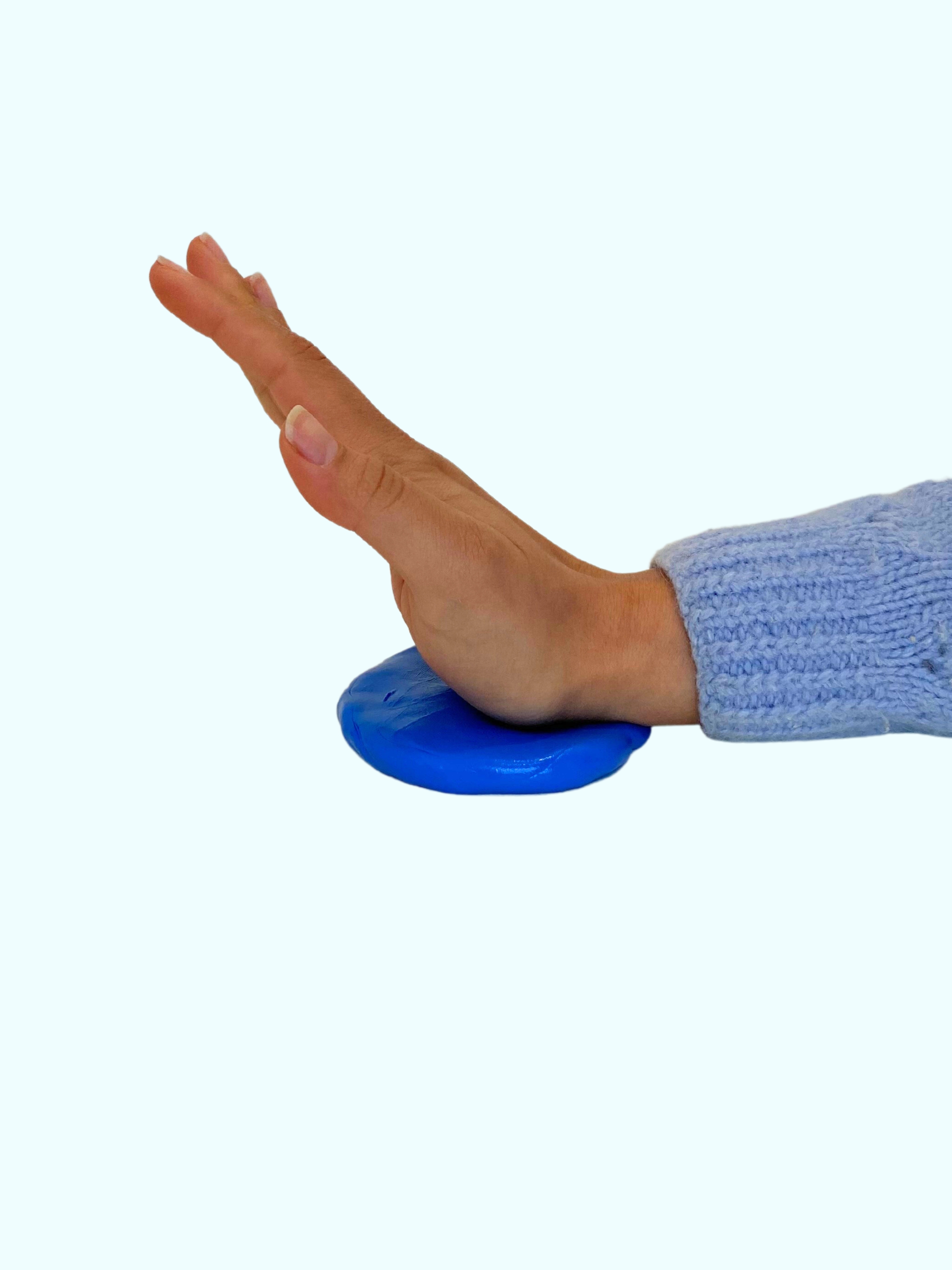
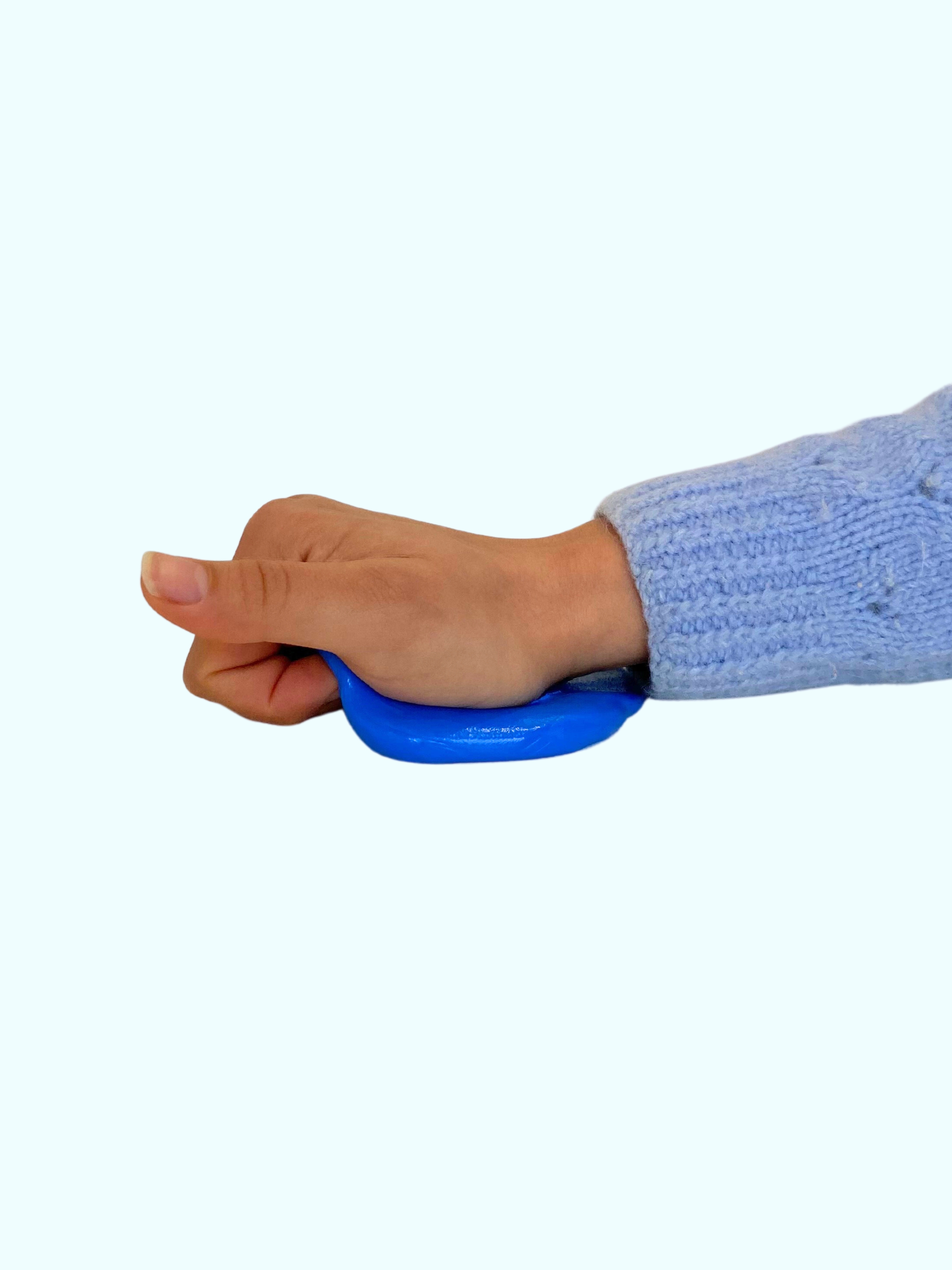
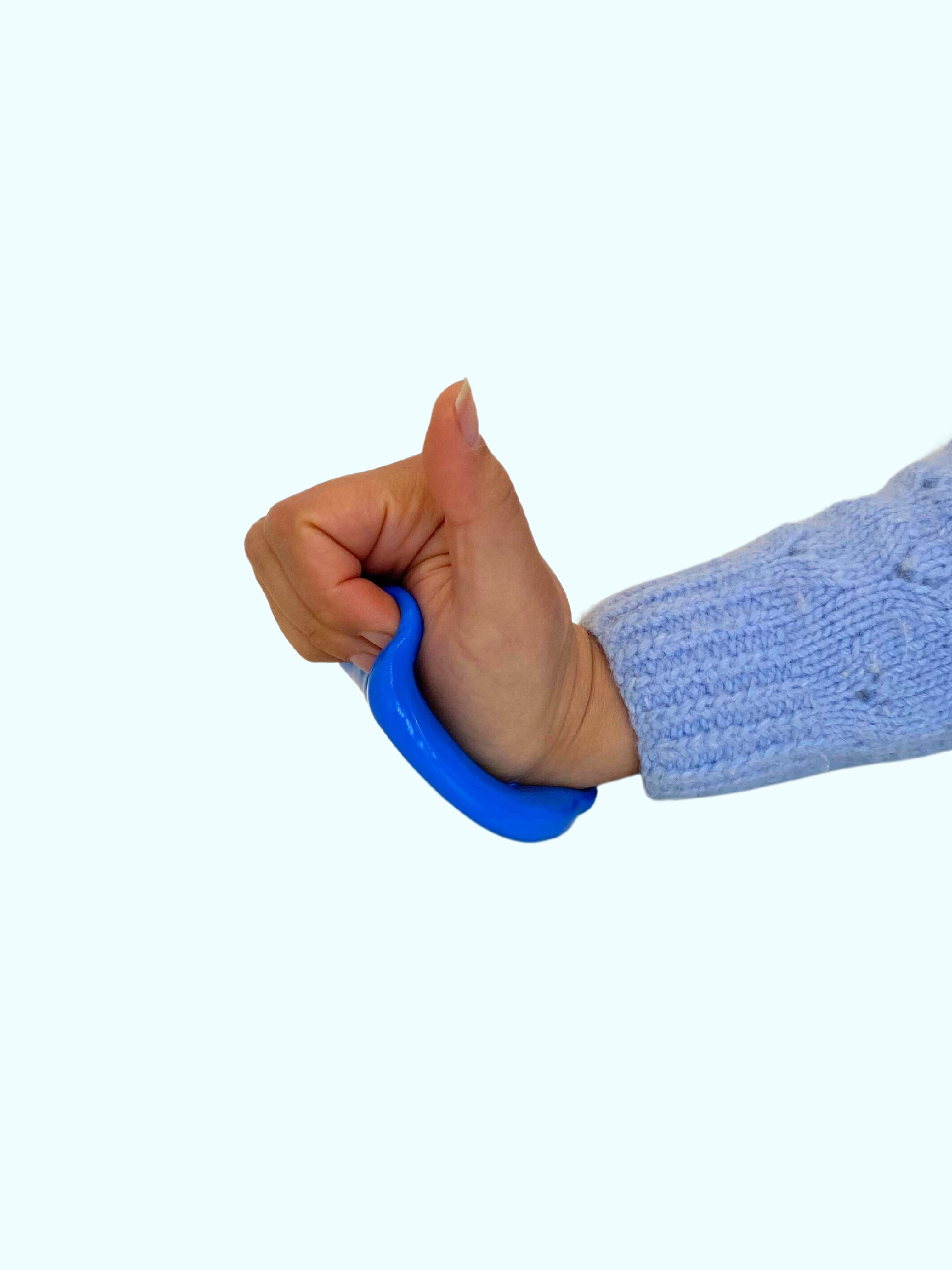
Wrist extension |
|
Sources:
- https://www.physio-pedia.com/Effects_of_Ageing_on_Joints
- https://www.physio-pedia.com/Synovium_&_Synovial_Fluid
- https://www.verywellhealth.com/finger-exercises-5120395
- https://readykids.com.au/everything-you-need-to-know-about-therapy-putty/
- https://www.nhsggc.org.uk/media/272920/theraputty-activities.pdf
- https://www.strokerewind.com/post/therapy-putty-for-hand-recovery-after-a-stroke
- https://www.everydayhealth.com/rheumatoid-arthritis/treatment/therapy-putty-helps-deterixty-fine-motor-coordination-function-strength/